

Whether you're embarking on a road trip across the country or simply need to keep your groceries cold during a power...
Latest posts
-
 What are the benefits of a portable car freezer?Read more
 -
 What should you consider when choosing a weight lifting bench?Read more
For many fitness enthusiasts, a dedicated weight lifting bench is an essential piece of equipment. It provides a...
-
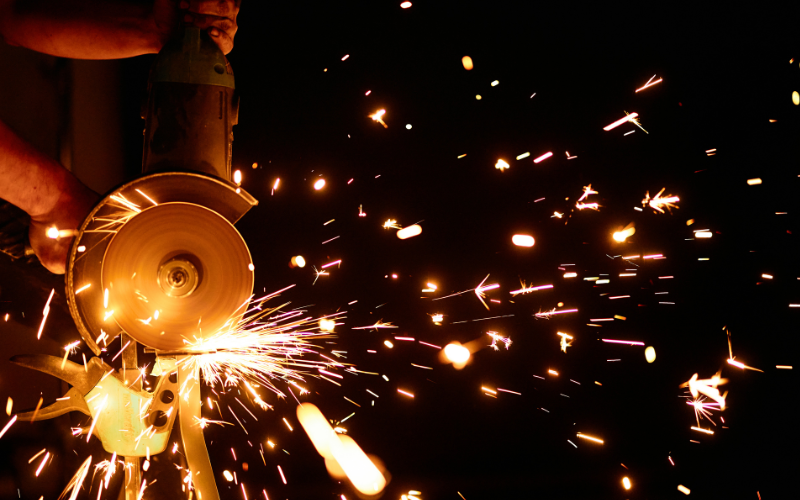 What are the best techniques for grinding objects of various shapes?Read more
Grinding is a fundamental process in many manufacturing and crafting applications, allowing us to shape, refine, and...
-
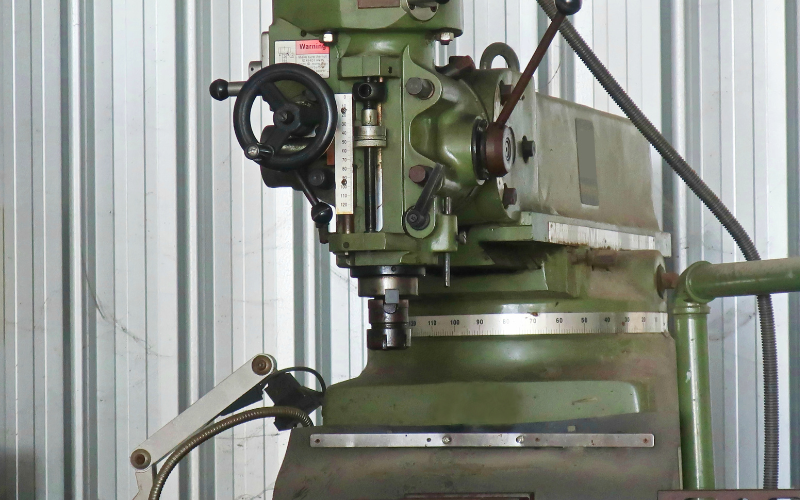 What makes a magnetic drill press essential for metalworking?Read more
Metalworking demands precision and power, and the right tools can make all the difference. While traditional drill...
-
 What are the advantages of tankless gas water heaters?Read more
Imagine stepping into a shower and experiencing endless hot water, no matter how long you linger. This dream could be...
-
 How to select the right commercial ice cube maker?Read more
From bustling cafes to high-volume restaurants, keeping your commercial space stocked with ice is a non-negotiable....
-
 What kind of trailer is best for off-road transport?Read more
The open road beckons, but sometimes that road takes you far off the beaten path. Whether you're an avid adventurer,...
-
 What features should you look for in a commercial ice cream maker?Read more
Making your own ice cream at home can be a truly rewarding experience. It allows you to control the ingredients,...
-
 Why use a diesel preheater for your vehicle?Read more
Diesel engines are known for their power and efficiency, but they can be a bit more finicky than gasoline engines...
-
 What are the benefits of a diesel air heater in vehicles?Read more
For many vehicle owners, the arrival of cold weather signals a new set of challenges. Starting a car in freezing...


Blog categories
Search in blog
What are the best techniques for grinding objects of various shapes?
Understanding Grinding Techniques
Grinding involves using an abrasive material to remove material from a workpiece, gradually shaping and refining its surface. The selection of the appropriate technique depends on factors such as the material being worked with, the desired shape, and the level of precision required.
Types of Grinding
- Surface Grinding: Primarily used to create flat surfaces on workpieces, this technique involves using a rotating abrasive wheel against a stationary workpiece.
- Centerless Grinding: Employed for grinding cylindrical or shaft-like objects without the need for a center support, this method utilizes two grinding wheels.
- Internal Grinding: Designed for shaping internal surfaces of cavities or holes, this technique employs an abrasive tool that is inserted into the workpiece.
- Belt Grinding: Utilizing an endless belt covered in abrasive material, this versatile method can be used for various shaping and finishing tasks on both flat and curved surfaces.
Techniques for Different Shapes
Grinding Cylindrical Objects
Cylindrical objects can be efficiently ground using centerless grinding or belt grinding. Centerless grinding provides high accuracy and surface finish, while belt grinding offers greater flexibility for shaping complex cylindrical forms.
Grinding Flat Surfaces
For achieving precise flat surfaces, surface grinding is the preferred technique. This method utilizes a rotating abrasive wheel against a stationary workpiece, removing material evenly across the surface.
Grinding Irregular Shapes
Irregular shapes present unique challenges in grinding. Utilizing a combination of techniques such as belt grinding and hand sanding often proves most effective. Precise shaping can be achieved through a series of passes with progressively finer grit abrasive materials.
Grinding Tips for Success
- Choose the Right Abrasive: Selecting an abrasive material appropriate for your workpiece material and desired finish is crucial. Common abrasives include silicon carbide, aluminum oxide, and diamond.
- Maintain Correct Grinding Speed: Excessive grinding speed can lead to overheating and damage to both the workpiece and the grinding wheel. Consult manufacturer guidelines for optimal speeds.
- Use Proper Workholding Techniques: Securely clamping your workpiece is essential to prevent movement during grinding, ensuring accuracy and safety.
- Lubricate When Necessary: Some materials benefit from lubrication during grinding to reduce heat buildup and abrasive wear. Water or oil can be used as lubricants depending on the application.
- Inspect Regularly: Check your grinding wheel for wear and damage throughout the process. Replace worn wheels promptly to maintain cutting efficiency and prevent hazards.
Choosing the Right Grinding Machine
Selecting the appropriate grinding machine depends on the specific task and workpiece dimensions. Common types include:
- Benchtop Grinders: Compact and versatile, suitable for small-scale projects and hobbyists.
- Floor-Standing Grinders: More powerful and robust, designed for heavy-duty industrial applications.
- Centerless Grinders: Specialized machines for grinding cylindrical objects with high accuracy and repeatability.
- Surface Grinders: Equipped with a rotating abrasive wheel to grind flat surfaces on workpieces of various sizes.
- Belt Grinders: Utilize an endless abrasive belt for shaping, smoothing, and finishing both flat and curved surfaces.
Understanding Grinding Wheels
Grinding wheels are the heart of any grinding operation. They come in various shapes, sizes, grits, and materials to suit different applications. Key factors to consider include:
- Grit Size: Determines the coarseness or fineness of the abrasive particles. Coarse grits remove material quickly while fine grits produce smooth finishes.
- Bond Type: The material that holds the abrasive grains together (e.g., ceramic, vitrified, resin). Different bonds offer varying levels of strength, flexibility, and heat resistance.
- Shape and Size: Wheels come in various shapes to match specific grinding tasks, such as cylindrical wheels for flat surfaces or conical wheels for internal grinding.
Safety Precautions
Grinding can be hazardous if proper safety measures are not followed. Always wear the following protective gear:
- Eye Protection: Safety glasses or goggles to prevent flying debris from causing eye injuries.
- Hearing Protection: Earplugs or earmuffs to minimize noise exposure.
- Respiratory Protection: A dust mask or respirator when grinding materials that produce fine dust particles.
- Gloves: Leather or heat-resistant gloves to protect hands from cuts, abrasions, and heat.
Additional safety precautions include:
- Ensure the grinding machine is securely grounded.
- Keep your work area clean and free of clutter.
- Never leave a running grinder unattended.
- Disconnect the power supply before making adjustments or changing wheels.
Posted in:
Default category
Related posts
-
-
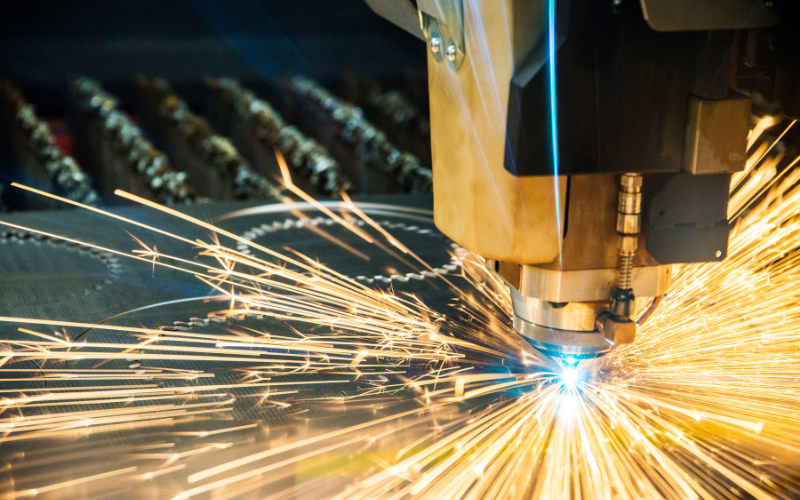 CO2 laser cutting machines have revolutionized industries by enabling precise and efficient cutting of a wide range...Read more
 -
 The aroma of freshly churned soft serve ice cream can instantly transport you to childhood memories of carefree...Read more
 -
-
 From eye-catching stickers to intricate signage, vinyl plotter cutters have revolutionized the way we create custom...Read more


Leave a comment