

Whether you're embarking on a road trip across the country or simply need to keep your groceries cold during a power...
Latest posts
-
 What are the benefits of a portable car freezer?Read more
 -
 What should you consider when choosing a weight lifting bench?Read more
For many fitness enthusiasts, a dedicated weight lifting bench is an essential piece of equipment. It provides a...
-
 What are the best techniques for grinding objects of various shapes?Read more
Grinding is a fundamental process in many manufacturing and crafting applications, allowing us to shape, refine, and...
-
 What makes a magnetic drill press essential for metalworking?Read more
Metalworking demands precision and power, and the right tools can make all the difference. While traditional drill...
-
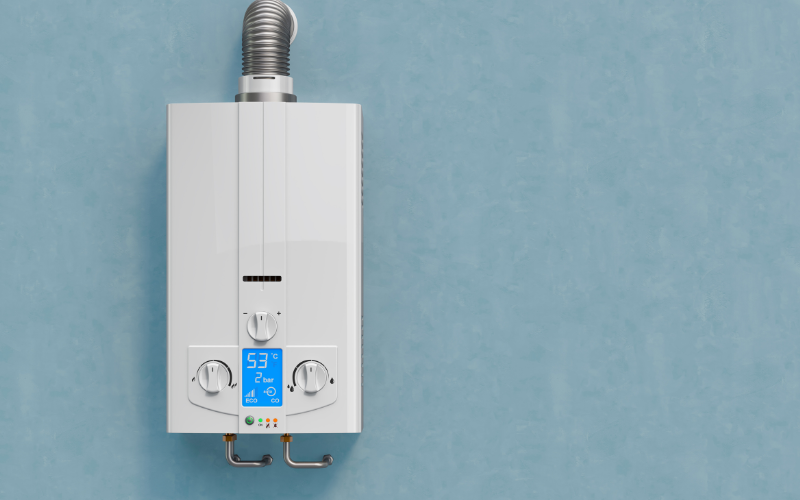 What are the advantages of tankless gas water heaters?Read more
Imagine stepping into a shower and experiencing endless hot water, no matter how long you linger. This dream could be...
-
 How to select the right commercial ice cube maker?Read more
From bustling cafes to high-volume restaurants, keeping your commercial space stocked with ice is a non-negotiable....
-
 What kind of trailer is best for off-road transport?Read more
The open road beckons, but sometimes that road takes you far off the beaten path. Whether you're an avid adventurer,...
-
 What features should you look for in a commercial ice cream maker?Read more
Making your own ice cream at home can be a truly rewarding experience. It allows you to control the ingredients,...
-
 Why use a diesel preheater for your vehicle?Read more
Diesel engines are known for their power and efficiency, but they can be a bit more finicky than gasoline engines...
-
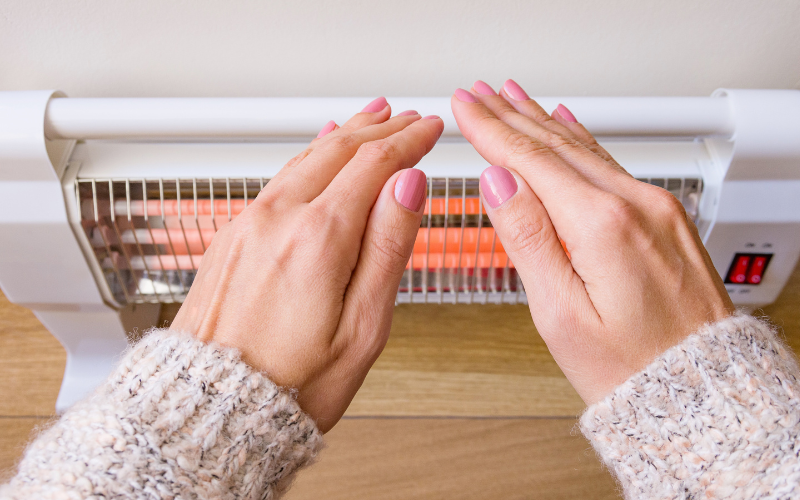 What are the benefits of a diesel air heater in vehicles?Read more
For many vehicle owners, the arrival of cold weather signals a new set of challenges. Starting a car in freezing...


Blog categories
Search in blog
What are the advantages of tankless gas water heaters?
Energy Efficiency: Savings That Heat Up Your Wallet
One of the most significant advantages of tankless gas water heaters is their exceptional energy efficiency. Traditional tank-based systems continuously heat and reheat water, even when you're not using it, resulting in wasted energy and higher utility bills. In contrast, tankless units only heat water when needed, delivering hot water directly to your faucets and showers on demand. This "on-demand" heating eliminates standby heat loss, significantly reducing your energy consumption and lowering your monthly expenses.
Endless Hot Water: Say Goodbye to Running Out
Tired of the frustration of running out of hot water during long showers or when multiple people are using it simultaneously? Tankless gas water heaters provide a solution with their virtually limitless supply of hot water. Unlike tank-based systems that have a finite storage capacity, these units can continuously heat water as long as the gas supply is available. Whether you're washing dishes, running laundry, or enjoying a relaxing bath, a tankless system ensures you'll always have access to ample hot water.
Compact Design: Maximize Your Space
Tankless gas water heaters are significantly smaller than traditional tank-based units, freeing up valuable space in your home. Their compact design allows them to be easily installed in closets, attics, or utility rooms, minimizing their footprint and maximizing available floor area.
Long Lifespan: A Reliable Investment
Tankless gas water heaters are renowned for their durability and longevity. With proper maintenance, these systems can last for 20 years or more, significantly outlasting traditional tank-based units that typically have a lifespan of 8 to 12 years. This extended lifespan translates into fewer replacements over time, saving you money in the long run.
Increased Home Value: A Smart Upgrade
Investing in a tankless gas water heater can enhance your home's value and appeal to potential buyers. These energy-efficient systems are increasingly sought after by homeowners, as they offer both cost savings and environmental benefits. By upgrading to a tankless system, you're not only improving your living experience but also potentially increasing the resale value of your property.
Safety Features: Peace of Mind
Modern tankless gas water heaters come equipped with advanced safety features designed to protect your home and family. These include:
- Automatic Shut-Off Valves: These valves quickly shut off the gas supply in case of a leak or malfunction, preventing potential hazards.
- Temperature Controls: Adjustable thermostats allow you to set the desired water temperature, minimizing the risk of scalding.
- Flow Sensors: These sensors detect changes in water flow and adjust heating accordingly, optimizing efficiency and safety.
Considerations Before Installation
While tankless gas water heaters offer numerous advantages, it's essential to consider certain factors before making a decision.
- Gas Line Capacity: Tankless units require adequate gas line capacity to ensure proper operation. An upgrade to your existing gas line may be necessary.
- Electrical Requirements: Some tankless models have higher electrical requirements than traditional systems. Ensure your home's electrical system can accommodate the demand.
- Professional Installation: Due to the complexity of installation, it's crucial to hire a qualified plumber or gas technician to ensure proper setup and safe operation.
Maintenance and Repairs
Tankless gas water heaters generally require less maintenance than traditional tank models due to the absence of a storage tank susceptible to sediment buildup. However, regular upkeep is still essential for optimal performance and longevity.
- Annual Inspection: Schedule an annual inspection by a qualified technician to check for gas leaks, burner operation, and overall system functionality.
- Flushing: Flush the unit periodically to remove any mineral deposits that may accumulate in the heat exchanger. This helps maintain efficiency and prevent clogging.
- Filter Cleaning: Clean or replace the intake filter regularly to prevent debris from entering the system and obstructing water flow.
Energy Efficiency: A Smart Choice
Tankless gas water heaters are renowned for their exceptional energy efficiency. Unlike traditional tank models that constantly heat water, even when not in use, tankless units only heat water on demand. This on-demand heating significantly reduces standby heat loss, resulting in substantial energy savings.
Reduced Environmental Footprint
The energy efficiency of tankless gas water heaters contributes to a reduced environmental footprint. By consuming less energy, these units produce fewer greenhouse gas emissions compared to traditional models. Choosing a tankless system is a responsible choice for environmentally conscious homeowners.
Cost Comparison
While the initial installation cost of a tankless gas water heater may be higher than that of a traditional tank model, the long-term savings often outweigh the upfront investment. Consider these factors when evaluating costs:
- Lower Utility Bills: The energy efficiency of tankless systems translates to reduced natural gas consumption and lower monthly utility bills.
- Fewer Replacements: With a lifespan of 8 to 12 years, tankless heaters require fewer replacements over time compared to traditional tanks, saving you money in the long run.
- Potential Tax Incentives: Some regions offer tax credits or rebates for installing energy-efficient appliances, including tankless water heaters.
Posted in:
Default category
Related posts
-
-
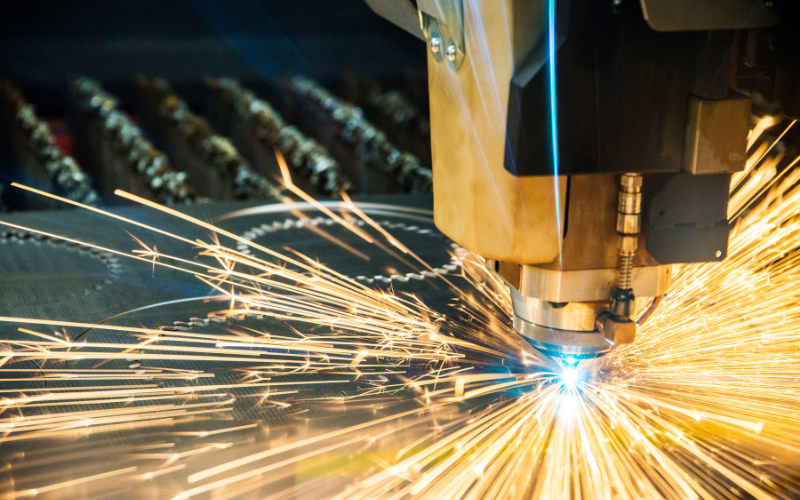 CO2 laser cutting machines have revolutionized industries by enabling precise and efficient cutting of a wide range...Read more
 -
-
 The aroma of freshly churned soft serve ice cream can instantly transport you to childhood memories of carefree...Read more
 -


Leave a comment