

Whether you're embarking on a road trip across the country or simply need to keep your groceries cold during a power...
Latest posts
-
 What are the benefits of a portable car freezer?Read more
 -
 What should you consider when choosing a weight lifting bench?Read more
For many fitness enthusiasts, a dedicated weight lifting bench is an essential piece of equipment. It provides a...
-
 What are the best techniques for grinding objects of various shapes?Read more
Grinding is a fundamental process in many manufacturing and crafting applications, allowing us to shape, refine, and...
-
 What makes a magnetic drill press essential for metalworking?Read more
Metalworking demands precision and power, and the right tools can make all the difference. While traditional drill...
-
 What are the advantages of tankless gas water heaters?Read more
Imagine stepping into a shower and experiencing endless hot water, no matter how long you linger. This dream could be...
-
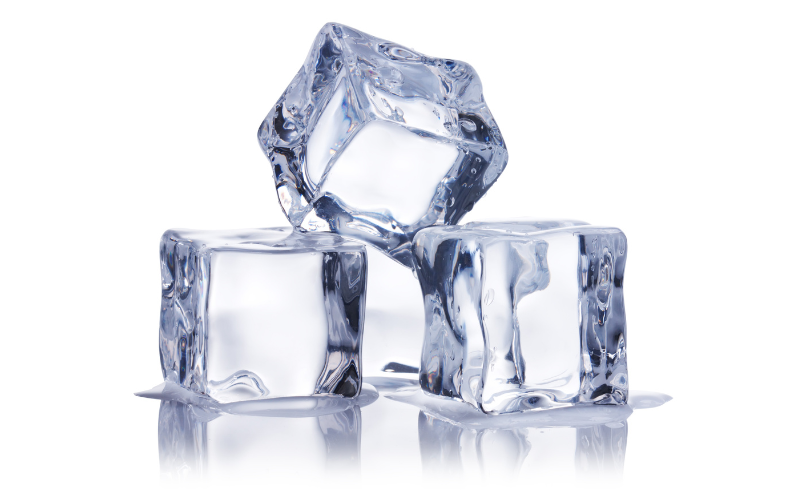 How to select the right commercial ice cube maker?Read more
From bustling cafes to high-volume restaurants, keeping your commercial space stocked with ice is a non-negotiable....
-
 What kind of trailer is best for off-road transport?Read more
The open road beckons, but sometimes that road takes you far off the beaten path. Whether you're an avid adventurer,...
-
 What features should you look for in a commercial ice cream maker?Read more
Making your own ice cream at home can be a truly rewarding experience. It allows you to control the ingredients,...
-
 Why use a diesel preheater for your vehicle?Read more
Diesel engines are known for their power and efficiency, but they can be a bit more finicky than gasoline engines...
-
 What are the benefits of a diesel air heater in vehicles?Read more
For many vehicle owners, the arrival of cold weather signals a new set of challenges. Starting a car in freezing...


Blog categories
Search in blog
How to select the right commercial ice cube maker?
Understanding Your Needs
Before diving into the technical specifications, it's crucial to assess your specific ice consumption patterns. How much ice do you typically use daily? Does your operation require a constant supply of ice throughout the day or are there peak periods with higher demand?
- Estimate Daily Ice Consumption: Carefully analyze your historical ice usage data or consider factors like the number of customers, menu items that require ice, and the average size of your customer base.
- Peak Demand Periods: Identify times when ice consumption surges significantly. This could be during lunch rush, happy hour, or weekend events.
Ice Cube Type Considerations
Commercial ice cube makers produce different types of ice, each with unique characteristics suited for various applications.
- Clear Ice: Known for its crystal-clear appearance and slow melt rate, clear ice is ideal for cocktails and presentations.
- Chewable Ice: This type of ice has a softer texture that's perfect for everyday drinking and chewing. It tends to melt faster than other types.
- Nugget Ice: These small, bite-sized ice cubes are popular for beverages like iced coffee and lemonade due to their ability to chill drinks quickly without diluting them too much.
Production Capacity and Efficiency
The production capacity of an ice maker refers to the amount of ice it can produce in a specific time frame, typically measured in pounds per day or kilograms per day. Matching the production capacity to your estimated ice consumption is crucial to avoid running out of ice during peak periods.
Energy Efficiency
Energy efficiency plays a significant role in operational costs. Look for ice makers with features that minimize energy consumption, such as advanced insulation, efficient compressors, and automated defrost cycles.
Dimensions and Placement
Consider the available space in your kitchen or storage area where the ice maker will be installed. Measure the dimensions of the unit, including height, width, and depth, to ensure it fits comfortably.
- Factor in clearance for doors, ventilation, and access for maintenance.
Features and Technology
Modern commercial ice cube makers come equipped with a range of features that enhance functionality, efficiency, and user experience.
- Self-Cleaning Function: This feature automates the cleaning process, reducing manual labor and ensuring hygiene.
- Remote Monitoring and Control: Some advanced models offer remote monitoring capabilities via mobile apps or web interfaces. This allows you to track ice production, receive alerts for low ice levels or malfunctions, and even control settings remotely.
- Water Filtration System: Built-in water filtration systems remove impurities from the water supply, ensuring cleaner and better-tasting ice.
- Ice Storage Capacity: A larger ice storage capacity means you can maintain a continuous supply of ice without frequent refills.
Budget and Value
Set a realistic budget for your commercial ice cube maker purchase. Prices vary widely depending on factors like production capacity, features, brand reputation, and materials used.
- Compare different models within your budget range to find the best value for your money.
Brand Reputation and Customer Reviews
Research reputable brands with a proven track record in manufacturing commercial ice cube makers.
- Read online customer reviews to gain insights into the performance, reliability, and durability of different models.
Maintenance and Support
Inquire about warranty coverage, maintenance schedules, and readily available customer support.
- Choose an ice maker manufacturer that offers comprehensive support and resources to ensure long-term functionality and satisfaction.
Production Capacity
Determine your ice production needs based on your business volume and customer demand.
- Consider peak hours and the number of beverages served daily to estimate the required ice output.
- Ice cube makers come in various capacities, ranging from small units for limited use to high-production models suitable for large establishments.
Types of Ice Cube Makers
Familiarize yourself with the different types of commercial ice cube makers available:
- Air-Cooled Ice Makers: These models utilize air for cooling and are generally more affordable. They may require more space for ventilation.
- Water-Cooled Ice Makers: Water-cooled units employ water circulation for cooling, leading to faster ice production and potentially lower operating costs. They often have a higher upfront investment.
Cube Size
Select an ice cube size that meets your specific requirements.
- Small Cubes: Ideal for chilling drinks quickly and melting faster, suitable for cocktails or light beverages.
- Medium Cubes: A versatile option for a range of applications, including cocktails, water, and soft drinks.
- Large Cubes: Preferred for keeping drinks cold for extended periods due to their slower melting rate; often used in high-end establishments or for specific beverages like whiskey on the rocks.
Noise Level
Consider the noise level emitted by the ice maker, especially if it will be located in a customer-facing area.
- Some models are designed with quieter operation to minimize disruptions.
Energy Efficiency
Opt for energy-efficient models to reduce operating costs and environmental impact.
- Look for ice makers with Energy Star certification, indicating compliance with strict energy-saving standards.
Posted in:
Default category
Related posts
-
-
 CO2 laser cutting machines have revolutionized industries by enabling precise and efficient cutting of a wide range...Read more
 -
-
 The aroma of freshly churned soft serve ice cream can instantly transport you to childhood memories of carefree...Read more
 -


Leave a comment