

Whether you're embarking on a road trip across the country or simply need to keep your groceries cold during a power...
Latest posts
-
 What are the benefits of a portable car freezer?Read more
 -
 What should you consider when choosing a weight lifting bench?Read more
For many fitness enthusiasts, a dedicated weight lifting bench is an essential piece of equipment. It provides a...
-
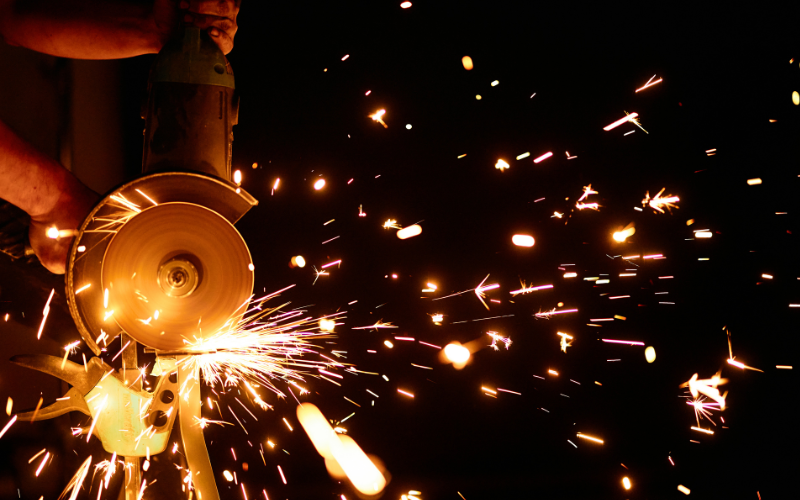 What are the best techniques for grinding objects of various shapes?Read more
Grinding is a fundamental process in many manufacturing and crafting applications, allowing us to shape, refine, and...
-
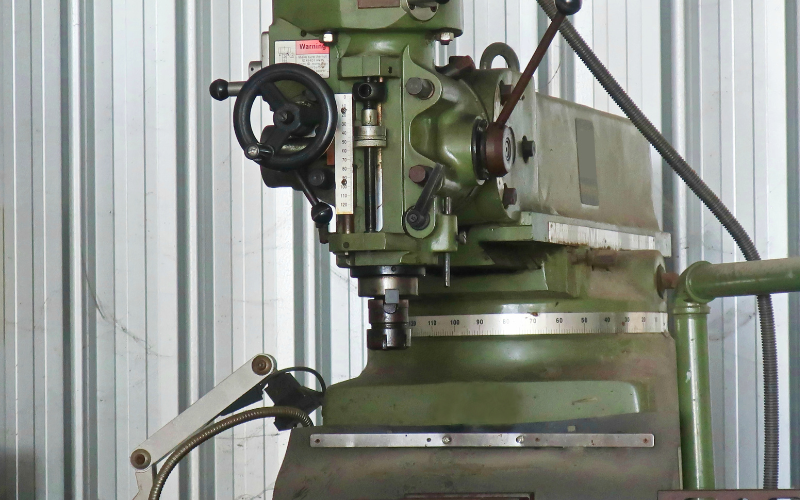 What makes a magnetic drill press essential for metalworking?Read more
Metalworking demands precision and power, and the right tools can make all the difference. While traditional drill...
-
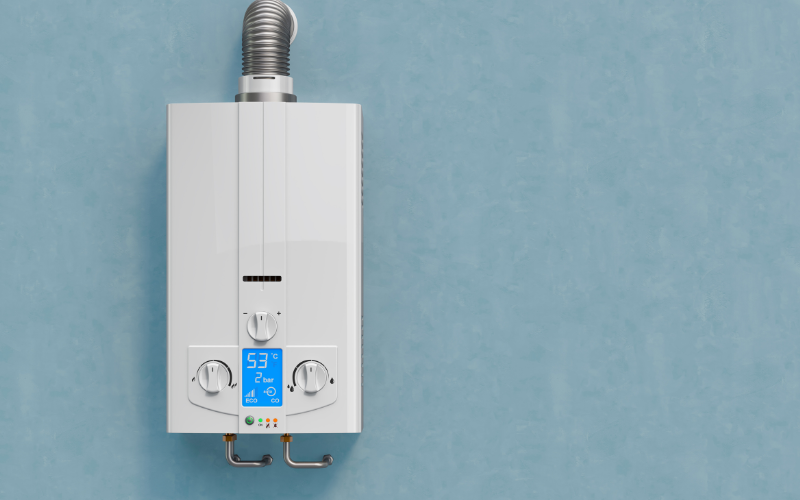 What are the advantages of tankless gas water heaters?Read more
Imagine stepping into a shower and experiencing endless hot water, no matter how long you linger. This dream could be...
-
 How to select the right commercial ice cube maker?Read more
From bustling cafes to high-volume restaurants, keeping your commercial space stocked with ice is a non-negotiable....
-
 What kind of trailer is best for off-road transport?Read more
The open road beckons, but sometimes that road takes you far off the beaten path. Whether you're an avid adventurer,...
-
 What features should you look for in a commercial ice cream maker?Read more
Making your own ice cream at home can be a truly rewarding experience. It allows you to control the ingredients,...
-
 Why use a diesel preheater for your vehicle?Read more
Diesel engines are known for their power and efficiency, but they can be a bit more finicky than gasoline engines...
-
 What are the benefits of a diesel air heater in vehicles?Read more
For many vehicle owners, the arrival of cold weather signals a new set of challenges. Starting a car in freezing...


Blog categories
Search in blog
How does a CO2 laser cutting machine work?
The Science Behind CO2 Laser Cutting
At the heart of a CO2 laser cutting machine lies an intricate system that generates and focuses a powerful beam of infrared light. This beam is produced by passing an electrical current through a mixture of carbon dioxide, helium, and nitrogen gases within a sealed chamber. The process stimulates the gas molecules, causing them to emit photons of infrared radiation—the very essence of the laser beam.
- Gas Mixture: The key ingredient is a carefully balanced mixture of carbon dioxide (CO2), helium (He), and nitrogen (N2) gases. This specific combination facilitates efficient energy transfer and photon emission.
- Electrical Discharge: When an electrical current passes through the gas mixture, it excites the molecules, causing them to jump to higher energy levels.
- Photon Emission: As the excited molecules return to their ground state, they release energy in the form of photons—particles of light. The emitted photons have a characteristic wavelength corresponding to infrared radiation.
The Cutting Process
Focusing the Beam
The generated laser beam is initially quite divergent. To achieve precise cutting, it must be focused into a very narrow and intense spot. This focusing is achieved using mirrors and lenses within the laser system. These optical components precisely manipulate the beam path, directing its energy towards the material being cut.
Interaction with Materials
When the focused laser beam strikes a material, it rapidly heats up the surface area of contact. The intensity of the heat depends on factors such as the laser power, beam focus, and material properties. For many materials, this localized heating causes them to vaporize or melt, effectively removing a thin layer from the surface.
Motion Control
To create intricate cuts and patterns, the cutting head carrying the laser beam is precisely controlled by computer-driven motors. These motors allow for smooth and accurate movement along predetermined paths, guiding the laser beam to carve out desired shapes and designs within the material.
Advantages of CO2 Laser Cutting
- High Precision: CO2 lasers can achieve extremely precise cuts with minimal heat-affected zones, resulting in clean and accurate edges.
- Versatility: These machines can effectively cut a wide range of materials, including wood, acrylic, metal, fabric, and more.
- Speed and Efficiency: Laser cutting is a fast and efficient process, capable of handling large-scale production runs with ease.
- Non-Contact Cutting: The laser beam interacts with the material without physical contact, minimizing wear and tear on the cutting tool.
Applications of CO2 Laser Cutting
The versatility and precision of CO2 laser cutting have led to its widespread adoption across numerous industries. Some prominent applications include:
- Manufacturing:
- Cutting sheet metal for automotive, aerospace, and appliance components.
- Fabricating intricate parts for electronics, medical devices, and consumer products.
- Producing custom molds and dies for various manufacturing processes.
- Sign Making and Engraving:
- Creating high-quality signs, plaques, and displays from materials like acrylic, wood, and metal.
- Engraving personalized messages, logos, and artwork on various surfaces.
- Textile Industry:
- Cutting fabrics for apparel, upholstery, and other textile products with intricate designs.
- Marking and labeling fabrics with logos, sizes, or other information.
- Woodworking:
- Cutting and shaping wood for furniture, cabinetry, and decorative items.
- Creating intricate designs and patterns in wood panels and veneers.
Advantages Over Traditional Cutting Methods
Compared to conventional cutting methods such as water jet or plasma cutting, CO2 laser cutting offers several distinct advantages:
- Higher Precision: Lasers deliver exceptionally precise cuts with minimal heat-affected zones, resulting in cleaner edges and reduced material waste.
- Greater Versatility: CO2 lasers can effectively cut a wider range of materials, including delicate fabrics, thin metals, and intricate designs, compared to some other methods.
- Less Material Damage: The non-contact nature of laser cutting minimizes stress and deformation on the workpiece, preserving material integrity.
- Reduced Tool Wear: Lasers do not require physical contact with the material, eliminating the need for sharp tools that wear down over time. This results in lower maintenance costs and extended tool life.
Safety Considerations for CO2 Laser Cutting
Working with a CO2 laser cutting machine requires adherence to strict safety protocols due to the high power output of the laser beam.
- Eye Protection: Specialized laser safety goggles are essential to prevent eye damage from the intense light emitted by the laser.
- Skin Protection: Protective clothing should be worn to minimize exposure to any potential skin burns caused by reflected or scattered laser light.
- Ventilation:** Adequate ventilation is crucial to remove fumes and gases generated during the cutting process, ensuring a safe working environment.
- Emergency Procedures: Clear emergency procedures should be established and readily accessible in case of accidents or malfunctions.
Proper training and adherence to safety guidelines are paramount when operating CO2 laser cutting machines.
Posted in:
Default category
Related posts
-
-
-
 The aroma of freshly churned soft serve ice cream can instantly transport you to childhood memories of carefree...Read more
 -
-
 From eye-catching stickers to intricate signage, vinyl plotter cutters have revolutionized the way we create custom...Read more


Leave a comment