

Whether you're embarking on a road trip across the country or simply need to keep your groceries cold during a power...
Latest posts
-
 What are the benefits of a portable car freezer?Read more
 -
 What should you consider when choosing a weight lifting bench?Read more
For many fitness enthusiasts, a dedicated weight lifting bench is an essential piece of equipment. It provides a...
-
 What are the best techniques for grinding objects of various shapes?Read more
Grinding is a fundamental process in many manufacturing and crafting applications, allowing us to shape, refine, and...
-
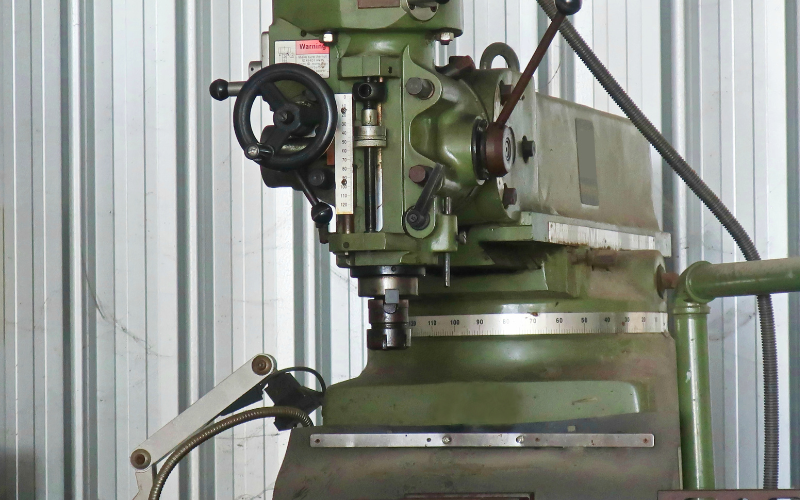 What makes a magnetic drill press essential for metalworking?Read more
Metalworking demands precision and power, and the right tools can make all the difference. While traditional drill...
-
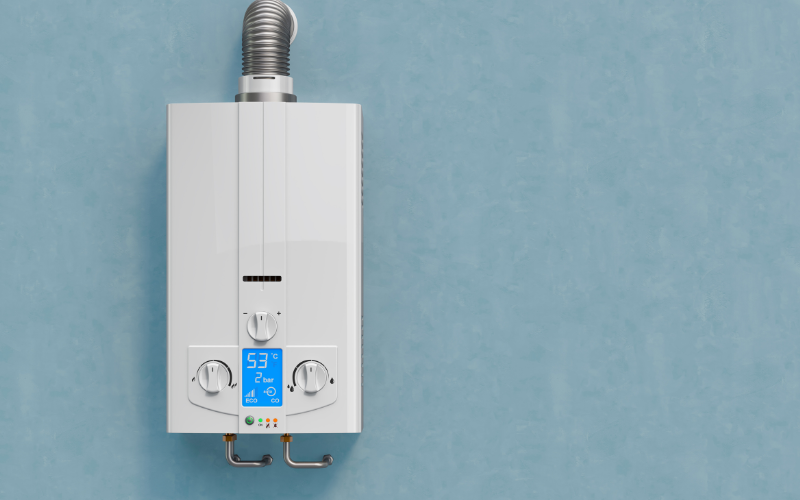 What are the advantages of tankless gas water heaters?Read more
Imagine stepping into a shower and experiencing endless hot water, no matter how long you linger. This dream could be...
-
 How to select the right commercial ice cube maker?Read more
From bustling cafes to high-volume restaurants, keeping your commercial space stocked with ice is a non-negotiable....
-
 What kind of trailer is best for off-road transport?Read more
The open road beckons, but sometimes that road takes you far off the beaten path. Whether you're an avid adventurer,...
-
 What features should you look for in a commercial ice cream maker?Read more
Making your own ice cream at home can be a truly rewarding experience. It allows you to control the ingredients,...
-
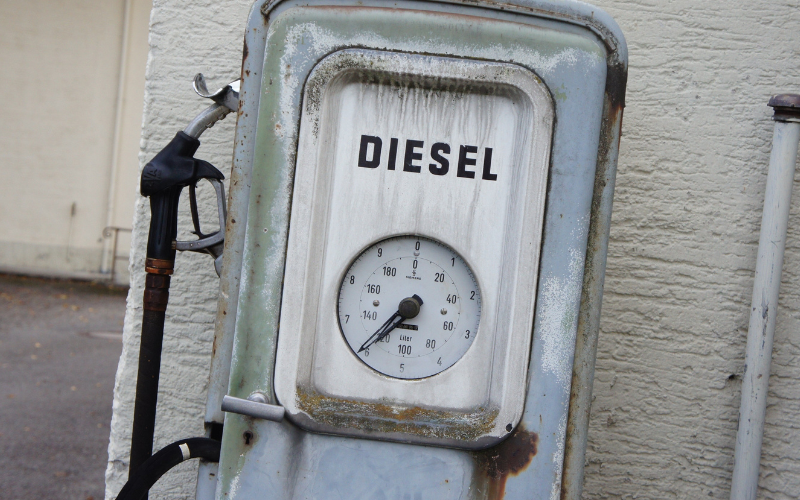 Why use a diesel preheater for your vehicle?Read more
Diesel engines are known for their power and efficiency, but they can be a bit more finicky than gasoline engines...
-
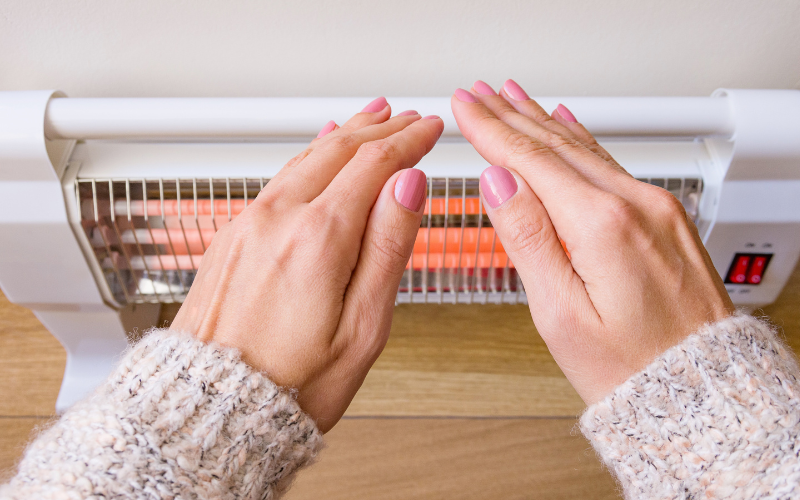 What are the benefits of a diesel air heater in vehicles?Read more
For many vehicle owners, the arrival of cold weather signals a new set of challenges. Starting a car in freezing...


Blog categories
Search in blog
Why use a motorised jockey wheel for trailers?
The Advantages of a Motorized Jockey Wheel
Motorized jockey wheels provide several compelling benefits over traditional manual versions, making them increasingly popular among trailer owners.
Effortless Maneuvering
The most significant advantage is the ease of use. By simply pressing a button or pulling a lever, you can effortlessly raise and lower the jockey wheel. This eliminates the need for physical exertion, especially when dealing with heavy trailers or maneuvering in confined spaces.
Improved Control and Stability
Motorized jockey wheels often come equipped with adjustable speed controls, allowing you to fine-tune the movement of the trailer. This precise control enhances stability and reduces the risk of accidental bumps or scrapes during positioning.
Reduced Strain on Your Back
Manually raising and lowering a heavy jockey wheel can put significant strain on your back and shoulders over time. Motorized versions eliminate this physical stress, making trailer handling more comfortable and ergonomic.
Enhanced Accessibility
For individuals with mobility limitations or back issues, motorized jockey wheels offer a level of accessibility that manual versions simply cannot match. They empower anyone to operate a trailer independently, regardless of their physical capabilities.
Considerations When Choosing a Motorized Jockey Wheel
While the benefits of motorized jockey wheels are undeniable, there are some factors to consider before making a purchase:
Power Source
Motorized jockey wheels typically draw power from either a rechargeable battery or an auxiliary power source like your vehicle's 12-volt system. Consider your usage patterns and choose a power source that aligns with your needs.
Weight Capacity
Each motorized jockey wheel has a specific weight capacity. Ensure the chosen unit can comfortably support the combined weight of your trailer and its cargo.
Compatibility
Verify that the motorized jockey wheel is compatible with your trailer's existing mounting system. Some models may require modifications or additional hardware for installation.
Installation and Maintenance
Most motorized jockey wheels come with relatively straightforward installation instructions. However, if you're not comfortable with basic mechanical tasks, it's best to consult a qualified mechanic or professional installer. Regular maintenance, such as checking battery levels and lubricating moving parts, will ensure optimal performance and longevity.
Safety Features
Reputable brands often incorporate safety features into their motorized jockey wheels, such as overload protection sensors and emergency stop buttons. These features help prevent accidents and provide peace of mind while operating the trailer.
Features to Look For
When selecting a motorized jockey wheel, consider these additional features:
Height Adjustment
Look for models that offer adjustable height settings to accommodate different trailer types and ground conditions.
LED Indicators
Some units feature LED indicators to show battery status, operational mode, or error messages, providing clear feedback during use.
Remote Control
For added convenience, consider a model with a remote control option. This allows you to raise and lower the jockey wheel from a distance, simplifying maneuverability in tight spaces.
Benefits for Specific Use Cases
Motorized jockey wheels offer advantages across various trailer applications:
Horse Trailers
The ease of raising and lowering the jockey wheel simplifies loading and unloading horses, reducing stress on both the animals and handlers.
Car Haulers
For heavy car trailers, motorized versions significantly reduce strain on the operator when maneuvering the trailer into position.
Construction Trailers
In construction settings, where maneuverability is crucial, motorized jockey wheels enhance efficiency and safety.
Conclusion
Motorized jockey wheels offer a significant upgrade over manual versions, providing enhanced ease of use, control, accessibility, and reduced physical strain. By considering the factors outlined in this article, you can choose the best motorized jockey wheel to suit your specific trailer needs and driving requirements.
Maintenance Considerations
While motorized jockey wheels are designed for durability, regular maintenance is essential to ensure optimal performance and longevity. Here's what to keep in mind:
Battery Care
Check battery levels regularly and recharge them as needed. Follow the manufacturer's instructions for charging and storage.
Lubrication
Apply lubricant to moving parts, such as the wheel bearings and gears, according to the recommended schedule in the user manual.
Cleaning
Keep the jockey wheel clean and free of debris. Wipe it down regularly with a damp cloth and mild detergent.
Inspection
Periodically inspect the jockey wheel for signs of wear and tear, such as cracks, loose bolts, or damaged components. Address any issues promptly to prevent further damage.
Choosing the Right Motorized Jockey Wheel
With various brands and models available on the market, selecting the right motorized jockey wheel can be overwhelming. Consider these factors to make an informed decision:
Load Capacity
Choose a jockey wheel with a load capacity that exceeds the weight of your trailer fully loaded.
Wheel Diameter
Larger diameter wheels offer better ground clearance and maneuverability, particularly on uneven surfaces.
Motor Power
The motor's power should be sufficient to raise and lower the jockey wheel smoothly, even with a heavy load.
Features
Evaluate the features that are important to you, such as height adjustment, LED indicators, remote control, and safety features.
Installation and Operation
Installing a motorized jockey wheel typically involves bolting it onto your trailer's existing frame or hitch point. Follow the manufacturer's instructions carefully for proper installation.
Safety Precautions
Always disconnect the battery before working on the electrical components of the jockey wheel.
Wear safety glasses and gloves when handling tools and parts.
Keep children and pets away from the working area.
Troubleshooting Common Issues
If you encounter any problems with your motorized jockey wheel, refer to the user manual for troubleshooting tips. Here are some common issues and their potential solutions:
Wheel Not Raising or Lowering
Check the battery levels and ensure that the motor is receiving power.
Inspect the wiring connections for loose or damaged wires.
Lubricate the moving parts to reduce friction.
Motor Overheating
Allow the motor to cool down before restarting it.
Ensure proper ventilation around the motor.
Check if the load capacity is being exceeded.
Conclusion
Motorized jockey wheels offer numerous advantages over manual versions, simplifying trailer operation and reducing physical strain. By carefully considering your needs, selecting a reputable brand, performing regular maintenance, and troubleshooting issues promptly, you can enjoy the benefits of a motorized jockey wheel for years to come.
Posted in:
Default category
Related posts
-
-
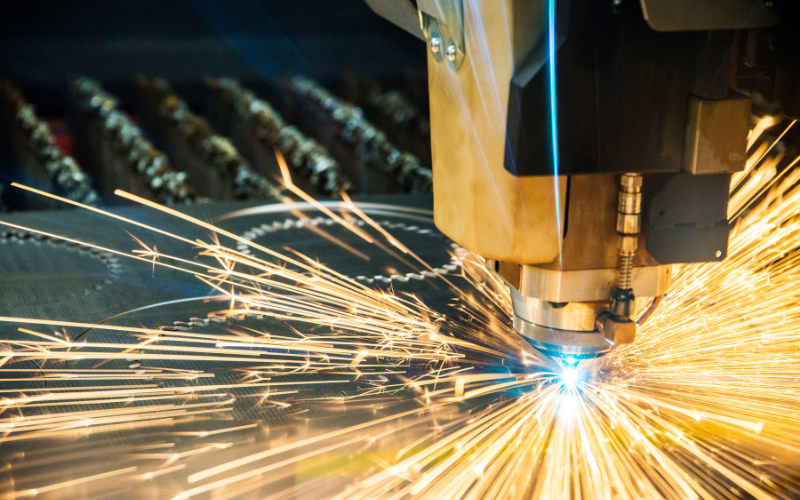 CO2 laser cutting machines have revolutionized industries by enabling precise and efficient cutting of a wide range...Read more
 -
-
 The aroma of freshly churned soft serve ice cream can instantly transport you to childhood memories of carefree...Read more
 -


Leave a comment